Monthly Archives: February 2025

Three years after the disaster: mourning and melancholia, but we should look to everyday politics and civics-from-below

Today, on the third anniversary of the full-scale invasion of Ukraine, my institution asked me to write about how my research helps provide perspective on the war. Here’s an edited version of what was posted in Danish here.

What are you researching?
My area of specialism is Russian and Global Studies – my research areas are political anthropology, working life, the informal economy, social trust and the welfare state, with a particular focus on Russia, Ukraine and Eastern Europe. I use ethnographic methods to examine everyday life and personal experiences in post-socialist societies. My book on Russia at war will come out with Bloomsbury Press in a month. In the book – the only book since the war based on first-hand and in-depth fieldwork, I look at the contours of society – both the longterm tendencies as people adapted to ‘Putinism’ and the immediate responses – often of shock and fear, since the full-scale invasion in 2022.

What perspectives does your research on the war provide?
In both Russia and Ukraine, we see that the conflict after three years of war has been normalized and incorporated into people’s life strategies in ways that are similar to each other. After the initial shock, people come to terms with the great changes that the war brings, typically in ways that try to distance them from it, even close to the frontline in Ukraine. Surveys in both countries show political support for their leaders, but at the same time there is a strong depoliticization and attempts to avoid the war and its longer-term consequences. Denial and fear are still, for me, the most important emotional contours of how people in Russia talk about the war (even when they say they don’t talk about it – which is of course a lie).

In Russia, it is becoming more and more difficult to find volunteers, and the government now has to pay huge sums of money for what are essentially modern-day condottieri: mercenaries with no ideological skin in the game. Most men of fighting age seek to avoid mobilization or volunteering for the fight, and the majority of the population does not contribute directly to the war effort even while looking for outlets for defensive consolidation of society. In Ukraine, the government avoided mobilizing young men with good reason, and after three years, war fatigue is high in the general population. As in Russia, there are major problems in finding willing soldiers.

While major wars only slowly destroy the economies or the other capacities of highly developed countries, this apparent societal resilience masks a strong aversion to wars of attrition. Those looking for parallels to the patriotism and commitment to a long-term slog evident in the two great European wars of the twentieth century should look elsewhere. Even after years, Americans, Soviets, British people and even Germans knew more or less what they were fighting for. That’s not true today. Even many Ukrainians today find it hard to articulate what (an eventual and realistic) victory would look like.

How does the war affect everyday life in Russia and Ukraine?
While taxes and other costs have risen and inflation is a significant burden, many in Russia can still turn their backs on the economic costs of the war, at least for now, and focus on their private cares, or local causes. While great emphasis was placed on the hundreds of thousands of more economically privileged Russians who chose to emigrate at the beginning of the war, their choices did not differ significantly from the majority of Russians who stayed at home. Both groups have largely tried to avoid the war – either by leaving or by remaining passive. On the other hand, many forms of grassroots civic activities continue and even grow in their significance as the state capacity of both countries is degraded. The massive volunteer-coordinated and para-state response to the oil spill in Kerch is a great example of this – very visible, but merely the tip of the iceberg. This is a major theme in my book of ‘civics from below’ – for want of a better term.

At the samet time we should be sensitive to how much cynicism there is in Russian and Ukrainian societies – towards elites, towards the ‘winners’ and the shallow self-promoters around the war efforts. In Russia there is a tendency to avoid the relatively shallow and symbolic elements of militant patriotism – most people find the endless aggressive propaganda shown on television repulsive. Apart from a few public events and locations, there is no spontaneous celebration of the armed forces or the Russian military. The minority that actively supports the war complains about the indifference and even hostility of the majority to their efforts to help the war effort.

This is why I sometimes criticize the BBC for its silly focus on militarism when its capable of much better, more human coverage (thanks to Mediazona and Chronicles). Nonetheless, any sociology of Russia should look at who and why they actively support the war, but this requires going beyond opinion polling and actually talking to people about why they knit camo nets or send donations to the front. And this is something only people like Public Sociology Lab and Aleksei Miniailo’s colleagues at Chronicles are doing – along with the interviews and observations in my own book. Chronicle’s latest field research shows that 54% of Russians are willing to admit the war negatively affected their ‘everyday lives’ and we know this is an undercount. Only 9% agree that the war improved their lives.

Of course, there remain important differences: for Ukrainians the future of their state is still immediately in question. But for Russians too, so much musing is about what started this war in the first place – the beginning of the end of Putinism. Despite what some people write about Russian war salaries, few have benefited materially from the greatest disaster of Russian statesmanship of the 21st century. Citizens of both countries feel inflation and the transition of resources from social to military purposes intensely – and with increasingly resentment. Indeed, different kinds of political resentment should be an important part of research for both countries.

If there is one insight from your research that should be clear to the public – what is it?

Despite war fatigue, and in Russians’ case, deep-seated unease about the decision to go to war, in both countries ordinary people are more civically active than ever as they try to make small changes to improve the lives of people and the environment around them. Without ethnographic (anthropological) research, it’s hard to dig down to uncover the strong forces of social connectiveness that have a life of their own beyond a focus on ‘big politics’. That’s why my book is called ‘Everyday Politics’ – because this term allows us to unpack the long-term, tectonic shifts in the social desires of people. They coalesce into small ‘intersubjective’ actions which exceed the sum of their parts and make people more than individuals or representatives of their respective nation-states.
Unmaking the Ukrainian working class Part III

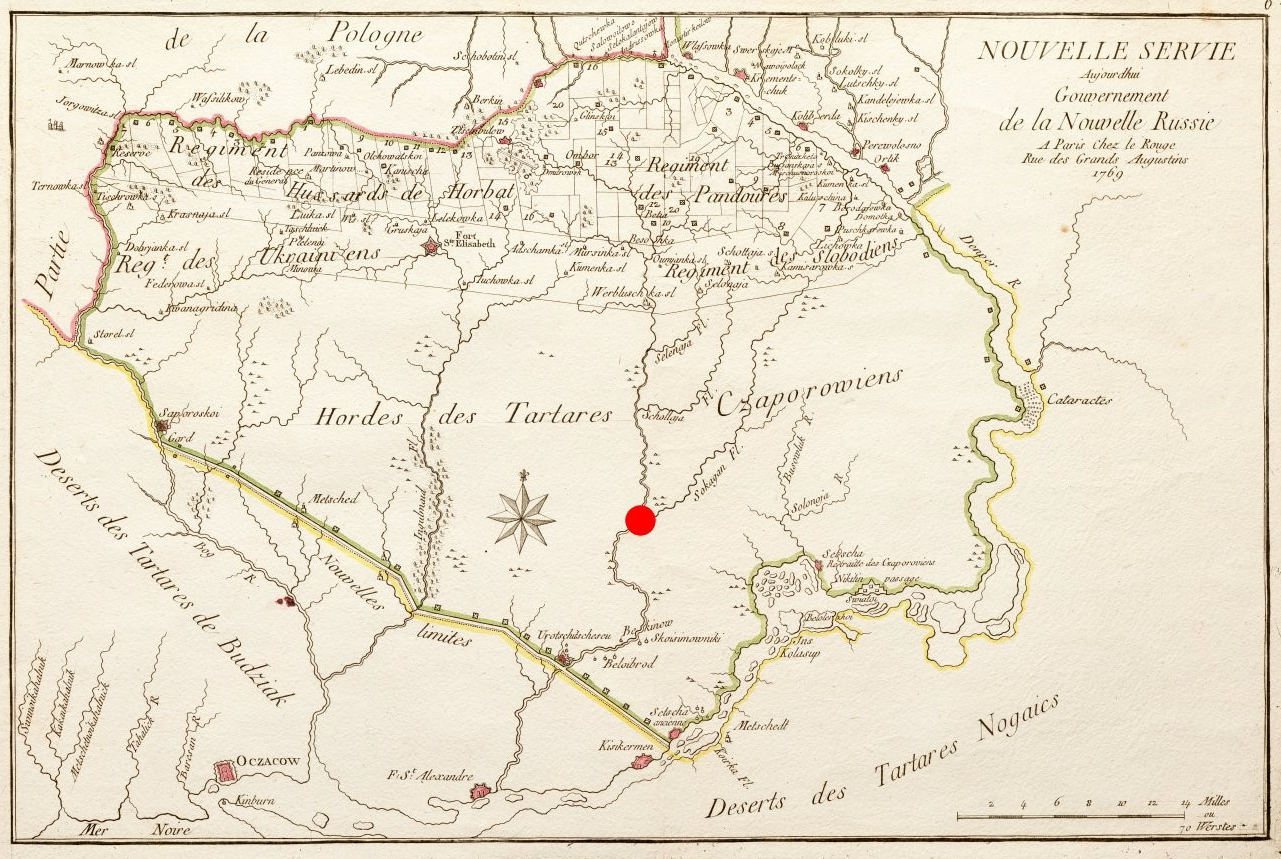
The location of the future city of Kryvyi Rih on a 1769 map

This is the final post about Denys Gorbach’s new book on Ukraine: The Making and Unmaking of the Ukrainian Working Class. The first post is here. The second post is here.

In the previous post I focussed on how Gorbach treats populism as merely a ‘morbid symptom’ and distracting to the purpose of getting into the vibrant ‘everyday politics’ of Ukrainian cities. Gorbach early in the book shifts to ‘ordinary’ political actions and talk of Ukrainians as codetermining the scope and contours of ‘big’ politics. Using the example of the German tradition of microhistory allows Gorbach to stake a claim for the very ‘apolitical’ withdrawal from the public sphere and ‘familism’ in Ukraine and Russia as deeply political phenomena because they are a collectively shared and reflected upon. Gorbach doesn’t go quite that far here, but we can add that the often bemoaned ‘privatism’ is often misunderstood. Withdrawal provides space and time for alternative forms of organization and world-making to emerge – something I expand on in my book.

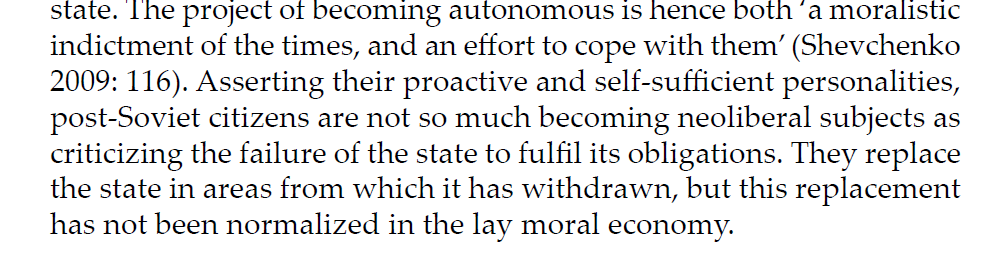
The summary of ‘moral economy’ is rather perfunctory here, although in a footnote Gorbach provides the nugget that after Tilly and Thompson, the ‘moral economy’ frame shows that claims-making from below implies the recognition by elite actors of the legitimacy of non-market-based rights. Furthermore claims are inherently political in terms of recognition – as when, for example, property laws are enforced or not enforced (e.g. as forms of recognition of customary rights among peasants and working-class folk). Wartime nationalization – even when it tends to prebendalism is also genuinely popular for the same reasons.

Gorbach gives more room to the breadth of ‘informality’ as applied to Post-Soviet politics – from Hale’s patronalism, to Matveev’s bureaucratic neopatrimonialism developing into Bonapartism. Here, Gorbach criticizes the application of Weberianism to the Ukrainian state, which can only result in seeing it as a ‘backwards’ essentialized ‘uncivilized’ polity and, indeed, plays into views that bifurcate into ‘good Ukrainian’ values (of and emanating from the West), and Bad Soviet values in the East. This will be a major target of Gorbach’s work and one that won him numerous enemies among established mainstream liberal scholars embedded in the West for whom it is beneficial to maintain this fiction.

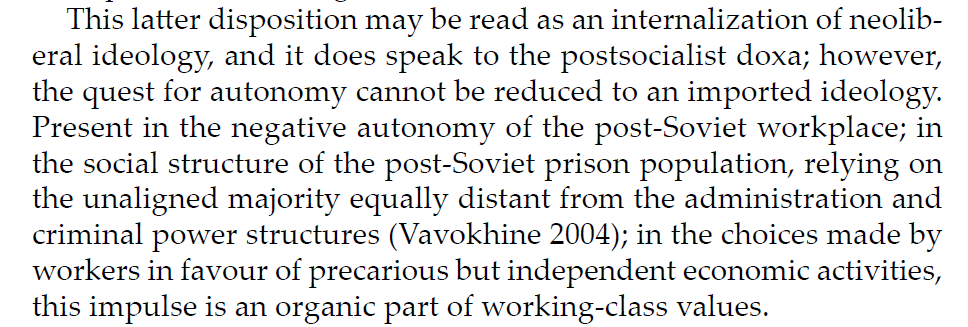
Like in my own work, however, Gorbach insists that informality in the microscale of people’s lives is just as important as patrimonialism. This is because the informal pacts and agreements, including the invisible ones like turning a blind eye to informal employment, represent a key political arrangement of life in contemporary Russia and Ukraine. These include ‘paternalism’, a key referent of Gorbach’s book. His overview is helpful in thinking of paternalism, clientelism and patrimonialism as all nested concepts (Gorbach credits me with coining informal ‘imbrication’ but others have found this term a bit pretentious). Forms of informal obligations comprise an overall mutualist web. Importantly there are coercive, exploitative but also solidaristic, empathetic and – as I expand in my book – fictive kinship relations which may be more or less enduring and binding. As Gorbach mentions – this perspective offers a sharp critique of rational actor/methodological individualist economy and political science approaches.

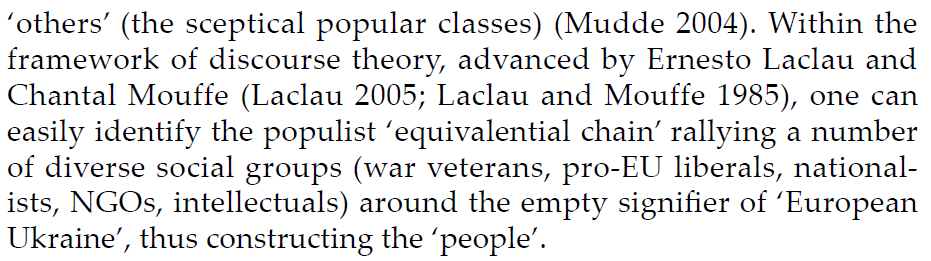
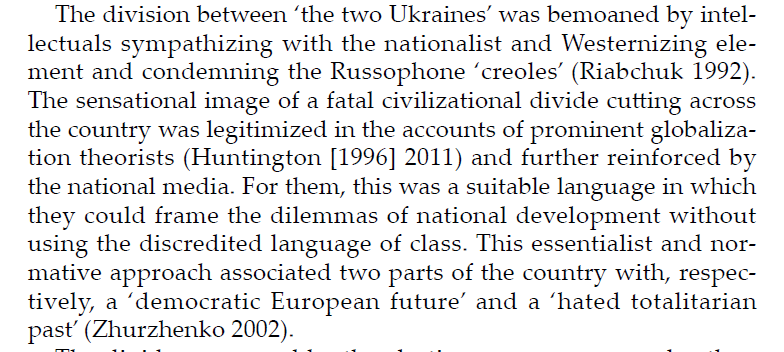
Chapter Two asks: Why does awareness of inequalities and class domination not prompt workers to contest this through collective political action in Ukraine? One answer is the informal alliances of old and new elites, and at first the Ukrainian nationalist project was weak. Here we have a great breakdown on the legitimation of the ‘fatal civilizational divide’:

The failure of Ukrainian ethnic nationalism to muster its case outside its Western heartland led to its radicalization as documented by Andrew Wilson. The heterogeneous Ukrainian elites trod a fine line and their attempts to achieve social peace contributed to ongoing proverbial state weakness. Symbolic capital of the ‘national democrats’ competed with the ‘clanlike’ structural capital of the industrial cluster elites. I’m not going into detail about this part of the book, but it represents a welcome corrective to the usual blinders that pass as political history on 1990s Ukraine, notwithstanding the more impartial work done by scholars like Wilson and D’Anieri. Shout out to the use of the Marx’s ‘potatoes in a sack’ metaphor to describe the fragmented-yet-tied bloc of budget workers and city-making enterprises. What follows is a good account of the Orange Revolution, coming on the back of the rise of the resources of the ‘second-rank bourgeoisie…which grew strong enough to dare challenge the “closed access order” controlled by oligarchs’.

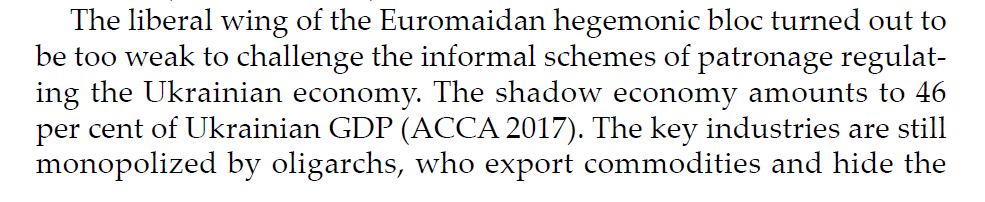
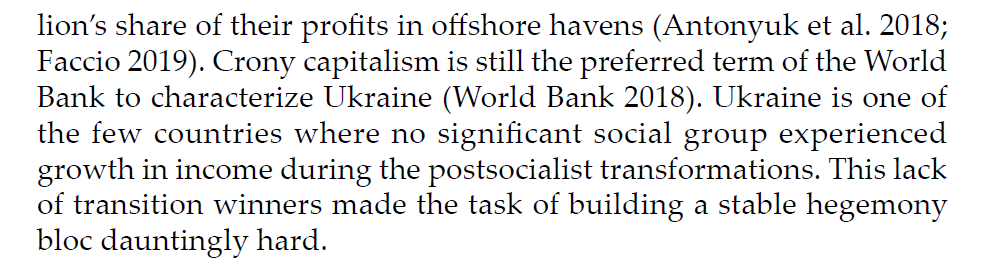
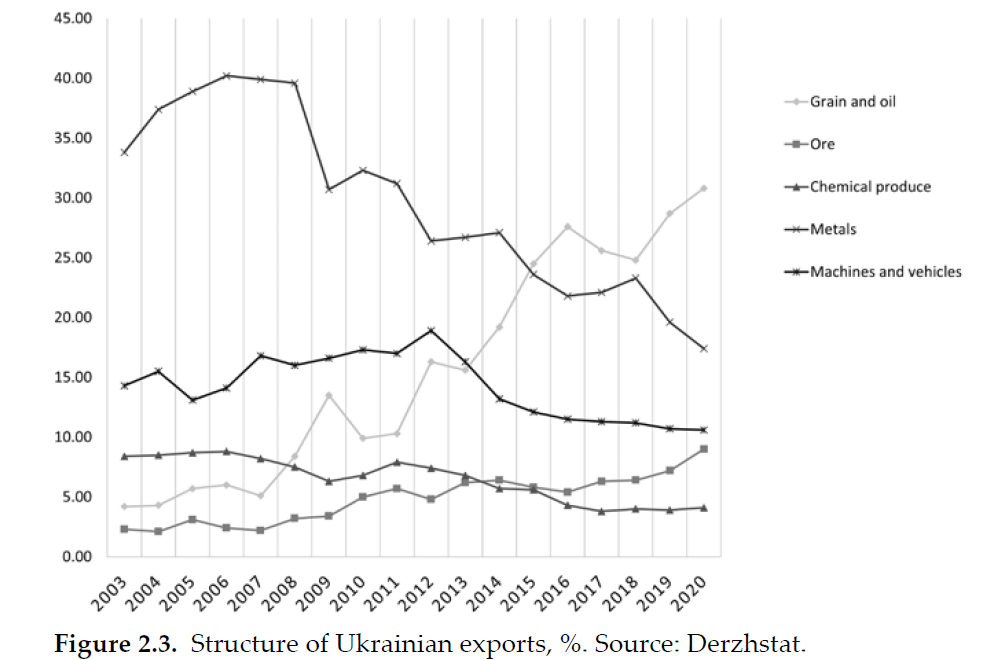
Gorbach ends this chapter by showing how political changes reflected economic ones – the failure of Euromaidan was mirrored by the downgrading of the Ukrainian economy from higher value chains to commodity export.

In the next chapter Gorbach masterfully recounts the actual colonial history of the steppe country around his city. In Chapter 4 he expertly uses the example of mass transit to illustrate the maintenance of moral economic regimes and the unwilling acquiescence by elites to the expectations of ordinary people. This chapter is about both the ‘privatization’ of minibuses but also the ‘resovietization’ of residual ‘public’ transit as a social good. Later Gorbach also identified three property regimes around housing: personal property where state intrusion is seen as illegitimate; private property where capital accumulation is seen as legitimate (here drawing on C. Humphrey’s work); and public property whose poor state is a result of normalized austerity. Finally, Gorbach talks about the moral economy of heating provision.

In chapter 5 – on Informality and the Workplace, Gorbach argues that instead of suc­cumbing to anomie, Ukrainian workers implicitly gravitate towards a residual social project that owes a lot to Stalinist modernity, built upon the ultimate Fordist principles of enterprises as nodes of civi­lization. If this is so, the shopfloor should be a privileged fieldsite, likely to shed light on non-verbalized shared assumptions about hierarchy and social order. Of course researchers like me bemoan our marginalization as our colleagues focus on much more ‘sexy’ projects. Gorbach continues this focus in the follow chapter 6 on Paternalism in Decay. “Unable to accomplish the real subsumption of the labour process, the enterprises remain stuck in an extensive mode of economic devel­opment instead of a Toyota-like intensive mode based on technical innovations. However, such a shift would entail risks, costs and dis­ruptions that are unacceptable to new enterprise owners. Instead of launching classic neoliberal managerial transformations, they chose to tacitly introduce new power configurations that ensured a residual paternalist consent, an undisturbed production process on the old technological and material basis, and the extremely low costs of capi­tal upkeep. These low costs allow owners to preserve the machinery of the social wage and thereby help to protect their property rights in the case of a politico-corporate conflict.”

In Chapter 7, Gorbach looks at politicized embeddedness and disembeddedness in two profoundly different, yet quite typical business outfits in the post-Soviet city. “For Charles Tilly (2007: 78), authoritarian patronage pyramids are an important medium through which subaltern groups can be involved in macro-level political pro­cesses and discussions. This is one of the possible developments for the neo-Fordist factory regime. However, the atomized nature of these configurations in Kryvyi Rih, which remain more individualist than classic patronage politics, lead to a different kind of politiciza­tion: passive resentment, politicization of identities or striving for individual distinction.”

In Chapter 8, Gorbach shifts to a focus on everyday politics beyond the world of work, looking at strategies of self-valorization via class distinction. Here, he references Andrew Sayer, Bev Skeggs, Don Kalb, and of course Olga Shevchenko and Oleg Kharkhordin.

Chapter 9 maps Lay Virtues on the National Political Landscape. While in places like France and Britain, working classes have (more or less successfully) made use of ‘national(ist)’ or indigenous capitals to promote their marginal social position, things in Ukraine are different because of the valorization of particularized Ukrainianness after 2014 (and before).

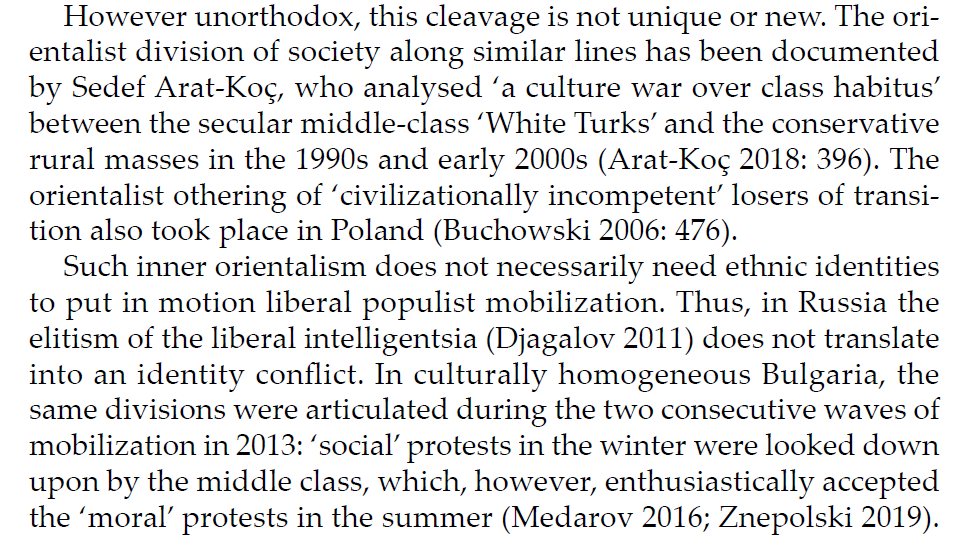
At the end of this chapter, Gorbach makes the comparison of ‘internal’ orientalization, like that observed in Turkey and elsewhere.

In the final empirical chapter 10, Gorbach applies the findings of Nina Eliasoph’s well known ‘avoidance of politics’ work to the Ukraine context. To be ‘authentic’ in lay discourse is to devalue what is seen as ‘ideological’ as dishonest. It’s ok to be a ‘volunteer’, but it’s important to mask one’s politics. There is ‘frontstage’ avoidance of ‘politics’. There are also ‘cynics’ who have strong and informed opinions but who cultivate disengagement. All of these positions are recognizable in postsocialist contexts. As in Don Kalb’s pioneering work, this reasoning produces the ‘neo-nationalist’ outlook well-known in other contexts.

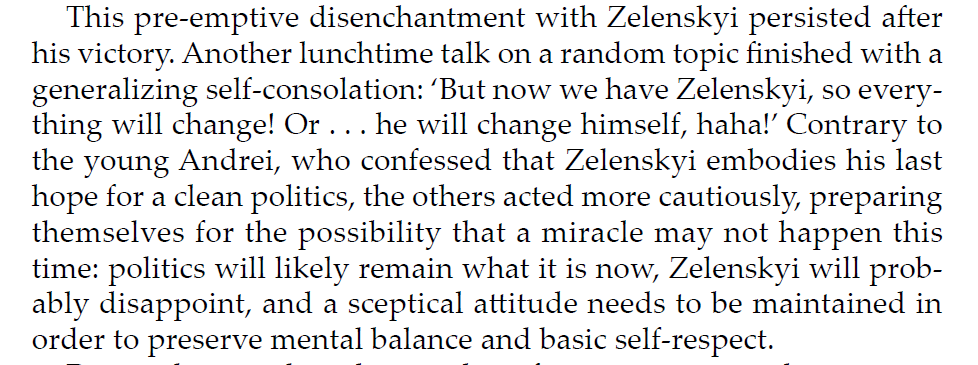
What follows is a useful discussion of the Zelenskyi phenomenon explained as a the outcome of this structural situation in Ukrainian lay politics. Gorbach is refreshingly balanced, not willing to preach to the choir, as other treatments of the ‘Zelensky effect’ have.

Subsequently, Zelensky’s channeling of the desires for ‘technopopulism’ and ‘valence populism’ (rejecting consistent ideologies in favour of vague overtures to morality, transparency, etc), sustained him nationally up the invasion in 2022, after which Zelensky successfully transitioned as a war leader.

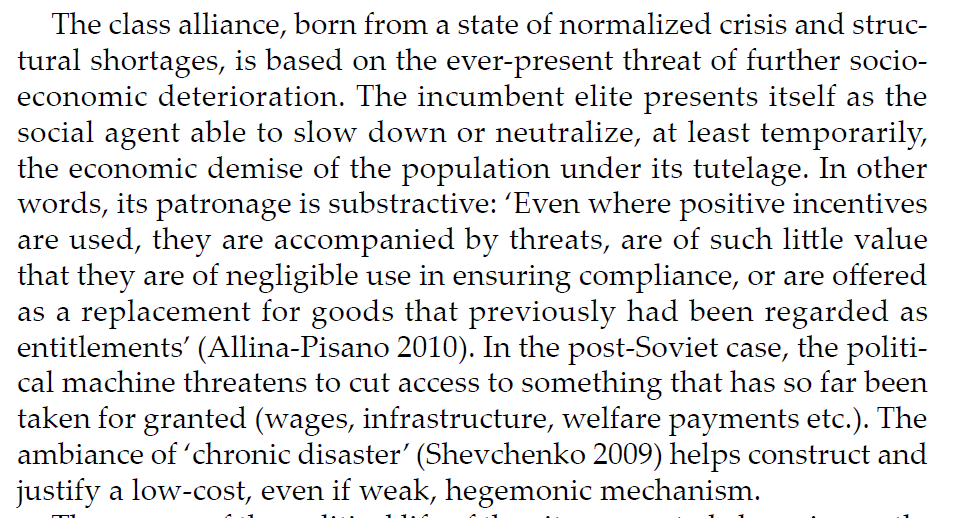
In the last twenty or so pages, Gorbach concludes with a discussion of the ‘incomplete’ hegemonic rule in Ukraine. This is the same case as in Russia – but there we have the unambiguous move towards Bonapartism. What remains in Ukraine is the inability of national elites to claim moral leadership and the growing distance between subalterns and the institutions of representative democracy. So far, so Gramsci. But beyond that framework, Gorbach makes space for looking via the lens of Uneven and Combined Development.

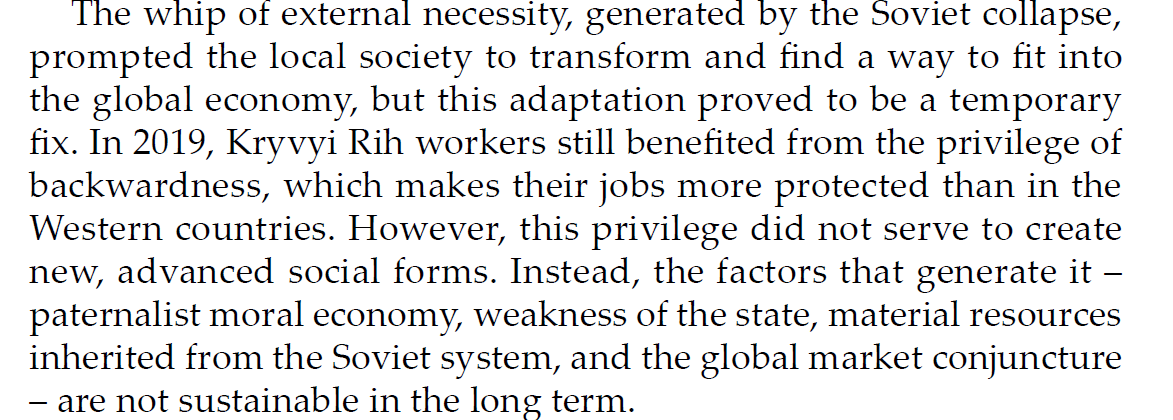
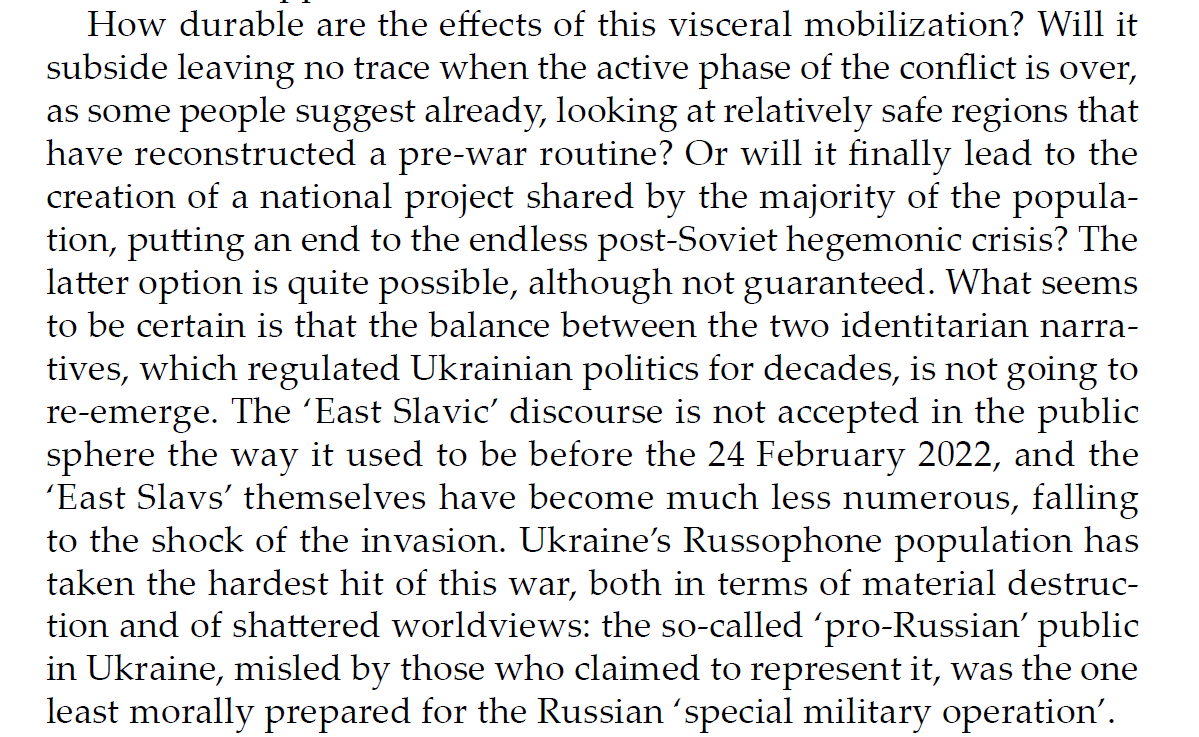
And on wartime mobilization, Gorbach asks:

Unmaking the Ukrainian working class Part II

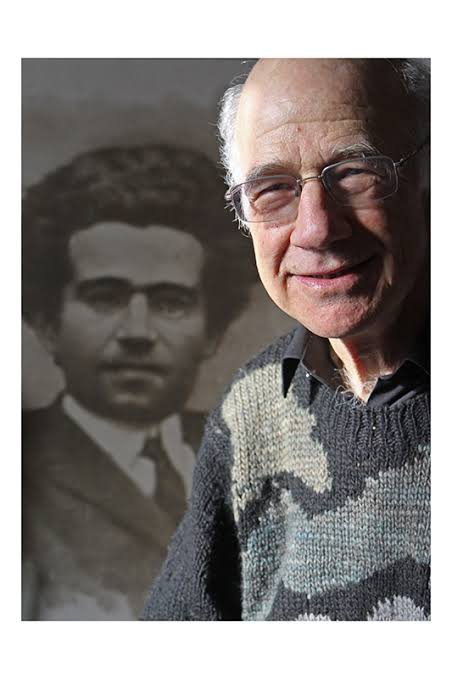
Rest In Power, Michael Burawoy

This is the second post about Denys Gorbach’s new book on Ukraine: The Making and Unmaking of the Ukrainian Working Class. The first post is here.

In the period between writing the first post and this one, Michael Burawoy has died. Burawoy was one of the formative influences on both Gorbach and me. Here’s a short excursus on how he influenced our approaches to writing a novel (in the Ukraine and Russia contexts) form of political-economy-ethnography. I hadn’t intended to focus on Burawoy (because there’s so much else of interest in the book), but here goes.

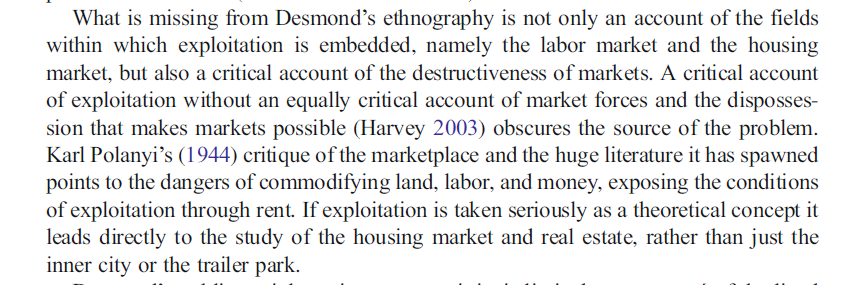
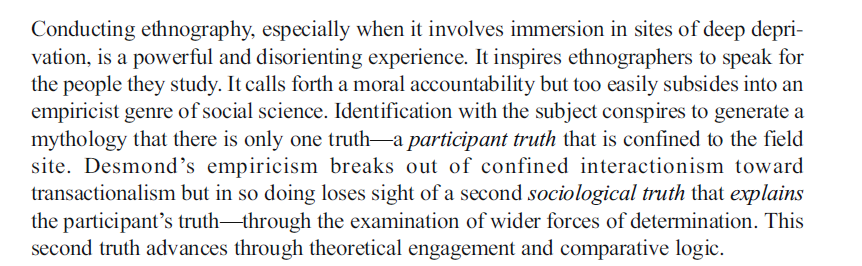
Both Gorbach and I try to synthesise our cases from what Gorbach calls ‘participant truth’ and ‘sociological truth’ – and here he cites Burawoy’s 2017 piece. Burawoy there argues that ethnography needs to be liberated from the naïve empiricism that still plagues anthropology and sociology and which is continuously re-invented by scholars unwilling (or afraid) to confront the political implications of their own work. Burawoy uses this opportunity to make the case again for bringing structure and comparison to any micro-level work. Only by linking specific ethnography cases to the broader structural constraints (oligarchic capitalism in Ukraine/authoritarian neoliberalism in Russia) can research do justice to the ‘common sense’ of interlocutors. This is what Gorbach and I attempt. The social ‘facts’ of cases do not  speak for themselves. And this, via Bourdieu, is a point Burawoy hammers home in his robust writing. At the risk of overshadowing the discussion, it’s worth citing Burawoy further (here reviewing contemporary ethnography of Wisconsin):

While there’s much more to say about Burawoy’s influence, I want to turn to Gorbach’s very extensive discussion of politics in his second chapter (and the empirics of Chapter Nine). As I wrote previously, Gorbach makes a pitch for those interested in Ukraine to take more seriously ‘everyday politics’ and ‘moral economies’. Having said that, he starts off with a welcome ‘intervention’ – one highly topical to the ascent of Trump 2.0: to paraphrase – to take populism seriously we need to move beyond discourse analysis (MAGA, get rid of woke, etc), and use empirical tools like ethnography to uncover the material basis for populists’… popularity. I’ve mentioned in this blog many times Arlie Russell Hochschild who wrote two books on the Tea Party and Trumpism, but it’s indicative of the timidity of indigenous US political sociology/anthro that this barely scratches the surface and does not qualify as ethnography in way that Gorbach’s or my work does. Gorbach has lived and worked with his interlocutors, as have I. One can barely imagine this possibility in the class-fractious society of the USA. Yes there are some exceptions, but they still amount to general handwringing, or poverty porn.  The truth is, an intersectional yet working-class ethnography is just not going to be interesting to the scions of Anthro in the US who get to do PhDs by virtue of precisely that privilege that would make it unthinkable for them to do the necessary work. (For a good general anthro account of Trumpism, see Gusterson who rightly says it ain’t all about class, yet…. ‘Trump’s victory confronts US anthropology with an incompleteness in the project of repatriated anthropology. While anthropologists of the United States have been busy studying scientists and financial traders at one end of the social scale and crack dealers and immigrant communities at the other, we have not had so much to say about the middle ground, the people who supported Trump—people we tend not to like.’ Shout out here to someone who HAS done this work, only in the UK context: Hilary Pilkington. Shout out to, to Christine Walley

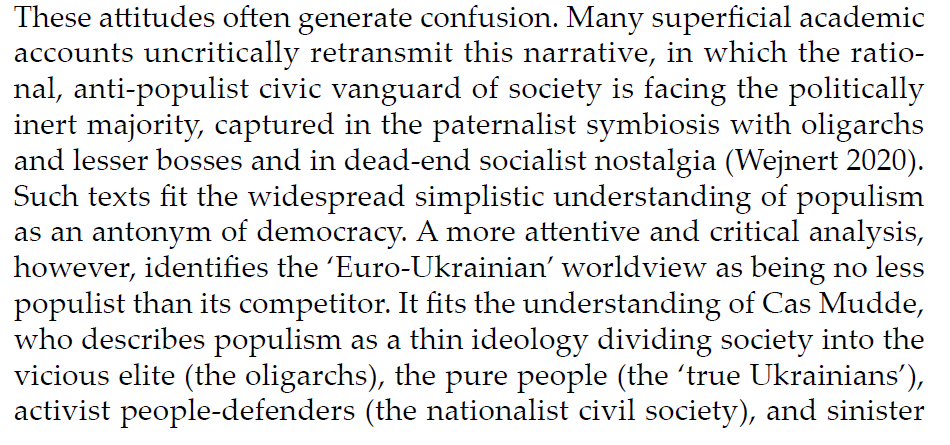
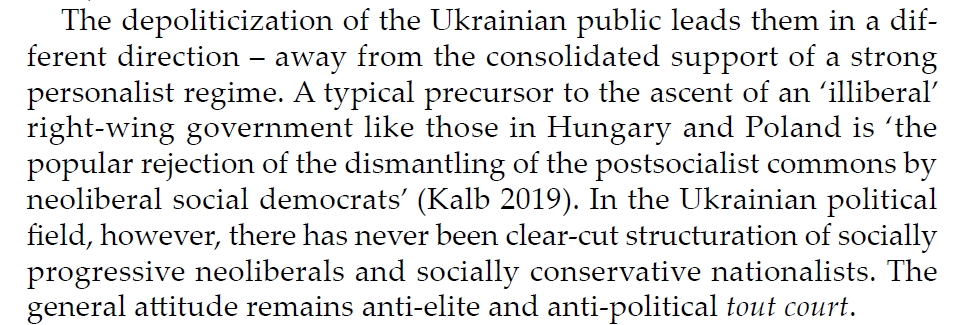
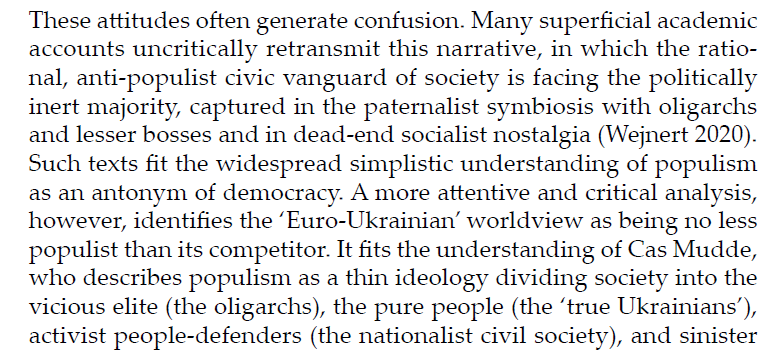
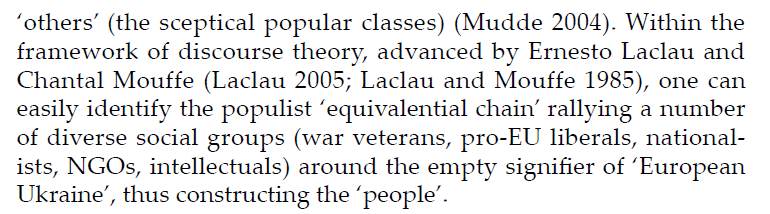
Gorbach reminds readers that the best work on postsocialist populism emphasizes its shadow relationship to democracy, avoiding the normative stance that opposes democracy and populism and which is so frequently deployed to show how ‘defective’ Eastern Europe is by mainstream observers. Gorbach, following the work of Tarragoni and Canovan, argues that populism, while expressing a crisis of representative liberal democracy, is not a ‘thin ideology, but contains a radical democratic critique of representative government. But what’s missing is what Gorbach and others aim to provide – the material basis of populism’s rise which ‘aspires to distribute income and, nourishing illusions about the function of the state, is politically disorganized (Boito 2019: 135.)’. In an abrupt turnaround though, Gorbach’s innovation is to relegate populism as just a Gramscian ‘morbid symptom’ of the crisis of capitalism. Parapolitical processes that themselves are generative of populist ‘supply’ are more important to look at and these are perfectly adequately grasped using the long-standing terms ‘moral economy’ and ‘everyday politics’. The ‘crisis of representation’ that populism reflects is then doubled in scholarship: mainstream liberal political science has no tools with which to move towards a diagnosis of the disease (it ignores those that Gorbach offers here), instead offering ‘game theory’ or the pseudoscience that is ‘mass’ social psychology and which includes bizarre claims about whole ‘national groups’ on the basis of dubious experiments conducted on American undergraduates which cannot be replicated and remain ‘WEIRD’.

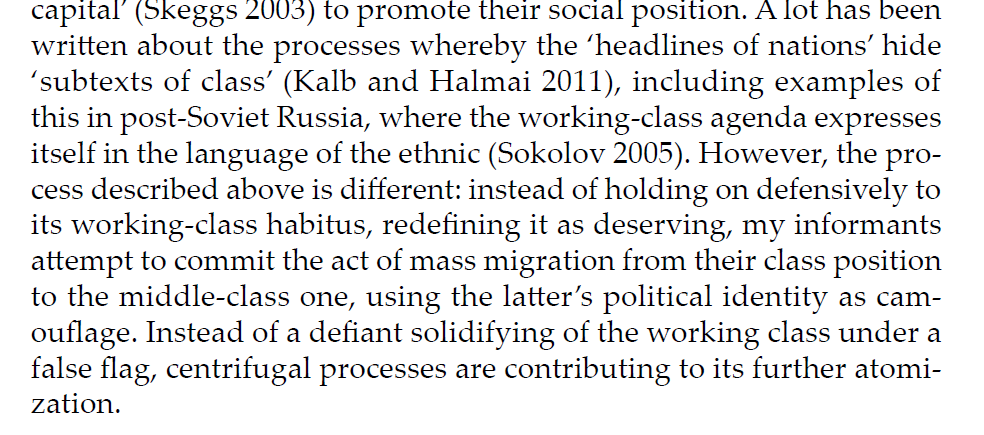
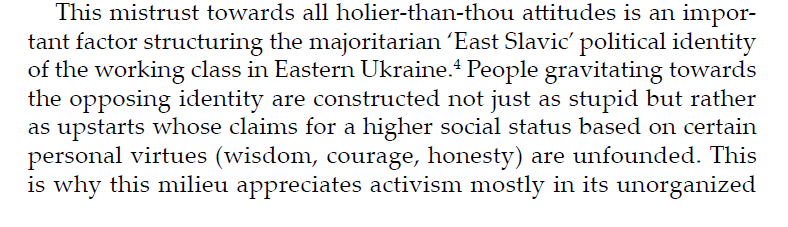
Gorbach returns to his problematizing of ‘populism’ in the empirical chapter on language politics in Ukraine. There’s an enlightening discussion of how pro-Ukrainian language narratives align with upwardly mobile citizens after Maidan, how the far right may find allies in LGBT organizations in opposing ‘vatniks’. A ‘thin patriotic identity’ (before 2022) emerges that papers over deep ideological differences among liberals and nationalists (p. 224). Uniquely in Ukraine, language affiliation plus civic involvement then serves as a way of denying (or exiting) a stigmatized working-class identity. But, as Gorbach continues:

At the end of the same chapter, Gorbach shows how ‘East Slavic’ Nationalism acts no less powerfully (and does not necessarily conflict with) the ‘ethnic’ Ukrainian model. Indeed, in a place like Kryvyi Rih (recall, Zelensky is from this city), Gorbach uncovers an inversion of the ‘vatnik’ theme – ‘stupid nationalists’ and ‘civilized Soviet-type people’.

After a long discussion of the mayorship of O. Vilkul who would later become a key figure that confounds stereotypes about the political views of Eastern Ukrainians, Gorbach concludes this section:

However, ‘One must take seriously the words of many adherents of both camps when they say they are not ethnic Ukrainian or Russian nationalists. The root of the political cleavage is the per­ceived moral difference between the self and the other rather than ethnic animosity.’ And in a subsequent final post about this book we will return to that topic of moral economy how it expresses everyday politics.